For years, every solar pitch ended the same way: and then thirty percent comes back at tax time. That line has ended. The question is what it actually took with it.
The credit reduced the effective system cost; it never generated a single kilowatt-hour. What actually drives solar's value in Kern County is unchanged: strong sun most of the year, long cooling seasons, and summer usage that keeps many households in expensive rate territory exactly when panels produce most.
Without the credit, payback periods stretch, and marginal projects tip from 'barely pencils' to 'doesn't'. What separates the two is usage: a home with heavy summer cooling and daytime consumption still retires a system's cost meaningfully; a small, efficient home with low bills may not. Anyone quoting you payback without your actual bills is reading from the old script.
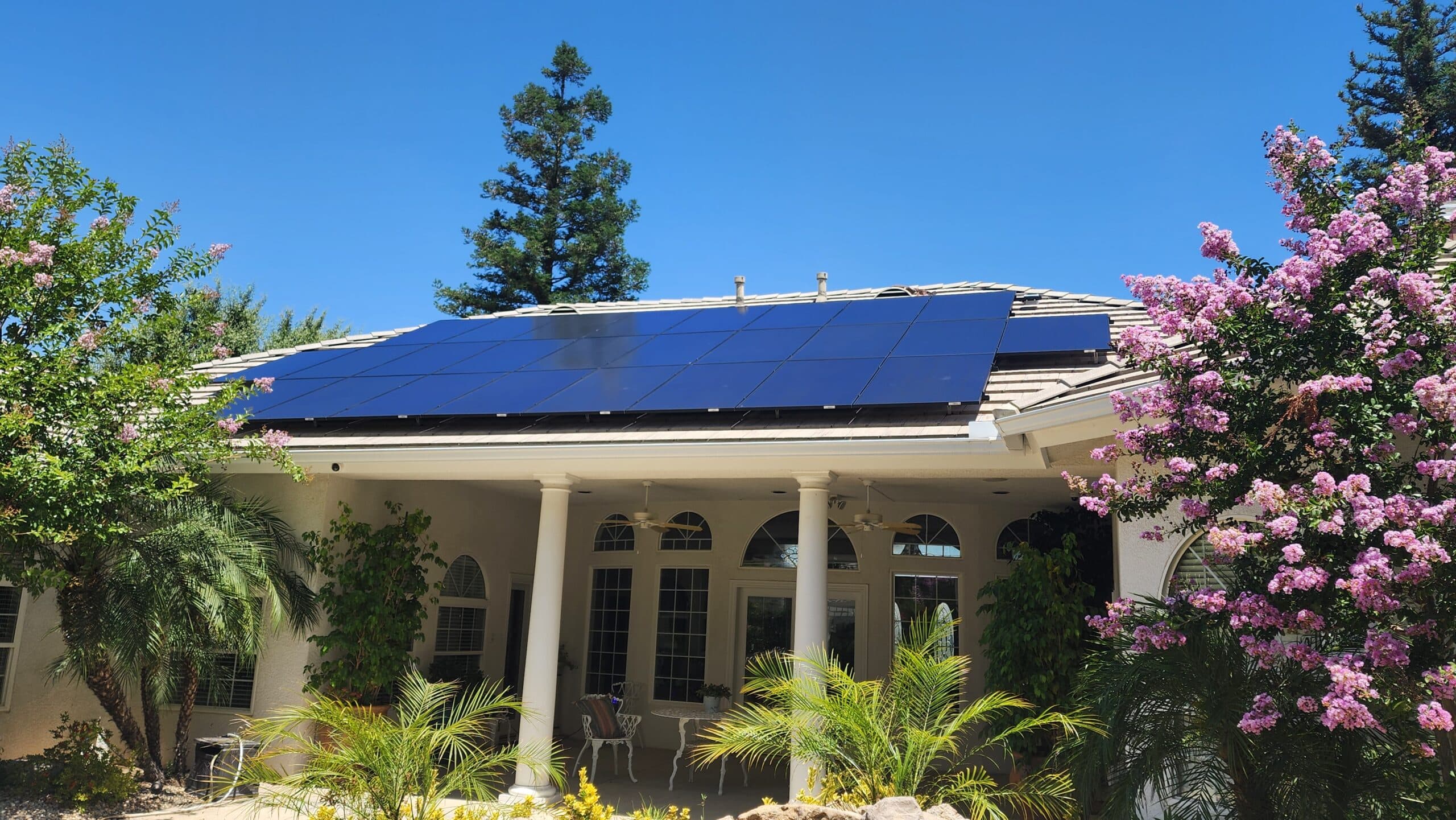
Panels outlive most roofs they are bolted to. Putting an array on a roof with five years left means paying to remove and reinstall it mid-life. If your roof is within sight of replacement, price the roof and the solar as one project; the combined number is usually better than the sequel.
Bring us a recent bill and we will run your numbers, with the credit-free math. If solar doesn't pencil for your house, we will tell you that in writing, because we would rather keep your roof business for the next thirty years than win one array today.